Sand Dollar Mini Embroidery Review
As an embroidery designer who spends weekends hunched over a sewing machine and another half preparing for the next craft fair season, I have learned that not all digital files are created equal. Some designs look beautiful on a screen but fail miserably when stitched out on actual merchandise. Today, I am reviewing the Sand Dollar Mini Embroidery design to determine if it has the potential to become a bestseller in my booth or if it belongs in the "maybe later" folder.
The product description promises beach vibes and includes eight formats across four sizes. It notes that on smaller sizes, some details transition from satin stitch to bean stitch. This is a critical technical detail for any serious embroidery file user. My goal here is to evaluate this design based on real-world application: Will it sell? Does it photograph well? And is it practical to produce in batches?
First Impressions and Aesthetic Appeal
When you first load a design like Sand Dollar Mini Embroidery, you are looking for immediate visual impact. In the world of handmade goods, customers often make decisions within seconds. This design feels minimal yet decorative. It does not scream for attention with loud colors or complex narratives; instead, it whispers elegance. It fits perfectly into the modern farmhouse, coastal grandmother, or soft rustic aesthetic that dominates current market trends.
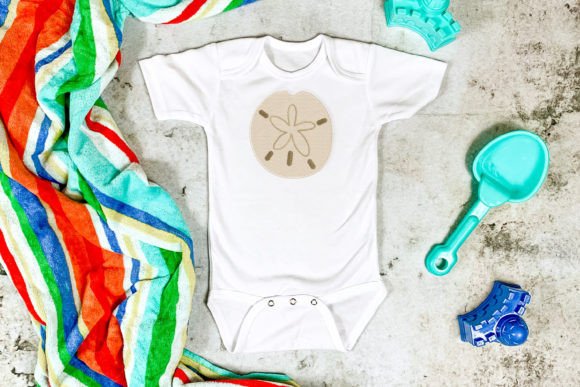
The "mini" aspect is key here. It suggests subtlety. For a craft fair product, subtlety can be a double-edged sword. If the design is too small, passersby might miss it entirely. However, if placed correctly, it signals quality and thoughtfulness rather than mass-produced clutter. The transition to bean stitch on smaller scales is actually a smart engineering choice by the digitizer. Bean stitches reduce thread breakage and provide a smoother texture on tiny curves, ensuring the sand dollar shape remains recognizable even when scaled down.
Product Versatility: Where It Shines
To maximize sales, you need a machine embroidery design that works across multiple product categories. Let’s look at how Sand Dollar Mini Embroidery performs on common items found in a boutique maker’s inventory.
- Tote Bags: This is perhaps the strongest candidate. A tote bag design featuring a mini sand dollar on the front pocket or centered on the chest area looks premium. It pairs beautifully with natural canvas or linen bags. The small scale allows it to act as a focal point without overwhelming the bag’s structure.
- Aprons and Tea Towels: For kitchen textiles, this design adds a touch of seasonal charm. An apron embroidery placement near the bib or hemline feels personal. Similarly, tea towel embroidery benefits from the clean lines of a sand dollar. It photographs exceptionally well, which is crucial for online listings.
- Caps and Hats: Curved surfaces present a challenge for many digitizers. Because this design is mini, it likely fits comfortably on the front panel of a baseball cap or a bucket hat without distorting the fabric. Ensure your hoop size accommodates the curve before committing to production.
- Patches and Pouches: As an embroidered patch, this design could serve as a detachable accessory. Small fabric pouches or zipper bags also benefit from the compact nature of the motif, allowing for batch production where speed and consistency are vital.
Photography and Online Presence
For every Etsy seller or digital seller, photography is just as important as the product itself. A simple, high-contrast subject like a sand dollar is easier to photograph effectively than a busy, multi-colored landscape. It stands out against neutral backgrounds, making it ideal for creating printable mockups. When you create design assets for marketing, ensure you show the item in use—perhaps a tote bag filled with seashells or a tea towel draped over a coffee mug. This helps the buyer visualize the finished product in their own home.
Production Practicalities and Quality Control
Before you rush to print 50 tags or list 50 units, you must address the technical realities of embroidery production. Here are the essential steps to ensure your small shop product maintains high standards.
- Test on Scrap Fabric: Never assume the design will behave perfectly on your final material. Test it on the exact fabric you plan to sell. Check how the stitch density interacts with the weave. On textured towels, the design might disappear if the thread color is too close to the fabric color.
- Check Thread Contrast: Sand dollars are naturally pale. Using white or cream thread on a light background may result in a low-impact look. Consider using a slightly darker beige, taupe, or even a soft navy for contrast, depending on the base fabric. This enhances visibility and perceived value.
- Inspect Stitch Density: The description mentions a switch to bean stitch. Verify that these areas do not feel stiff or bulky after stitching. If the backing stabilizer is too heavy, it can ruin the drape of a delicate item like a pillow cover or a lightweight tote.
- Confirm Hoop Size: Ensure the largest size of the design fits your available hoop space. If you are embroidering on pre-made items like caps, verify that the design dimensions align with the printable templates provided by your blank supplier.
Common Pitfalls to Avoid
Be cautious with dark fabrics. Light-colored thread on dark fabric requires underlay stitches to pop, which can sometimes cause puckering if not digitized correctly. Also, avoid placing this design on highly textured surfaces like thick chenille towels unless you are confident in your tension settings. Tiny details can get lost in the nap of the fabric, reducing clarity.
Strategic Selling Points
Why should you choose Sand Dollar Mini Embroidery for your booth? It taps into the year-round desire for coastal living, even outside of summer. It appeals to buyers looking for understated luxury. Unlike novelty designs that rely on humor or bright colors, this piece relies on timeless aesthetics. This makes it a safer investment for commercial embroidery businesses because it has a longer shelf life.
Furthermore, its versatility supports brand consistency. You can use the same design across different product lines—a matching set of a tote bag, apron, and tea towel creates a cohesive collection that encourages customers to buy more than one item. This increases your average order value, a key metric for successful handmade product sellers.
Final Verdict
The Sand Dollar Mini Embroidery design is a strong contender for any maker focused on quality and versatility. Its ability to adapt through bean stitch usage shows thoughtful digitization. However, success depends on your execution. Take the time to test, photograph well, and choose the right products. By treating this as a professional commercial embroidery asset rather than just a fun hobby project, you can turn a simple sand dollar into a significant revenue stream for your craft fair booth or online store.
Remember to check the specific commercial licensing terms included in your zip file before selling finished goods. With proper preparation, this design offers a blend of aesthetic appeal and production efficiency that is hard to beat.