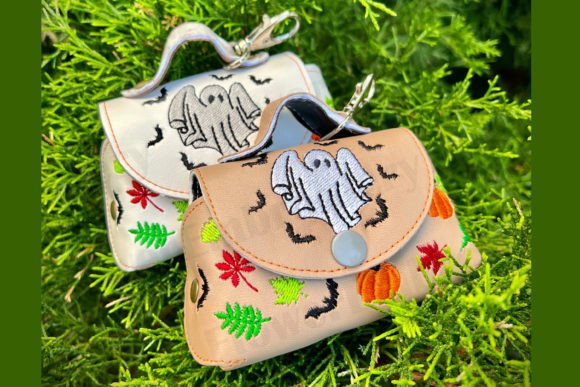
ITH Mini Bag Ghost Embroidery Review
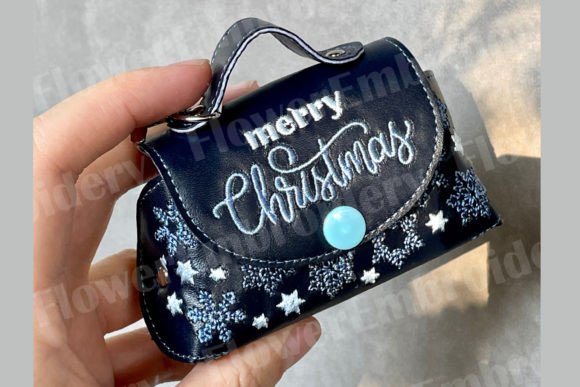
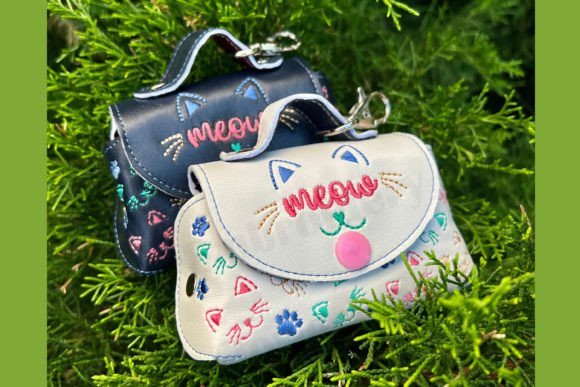
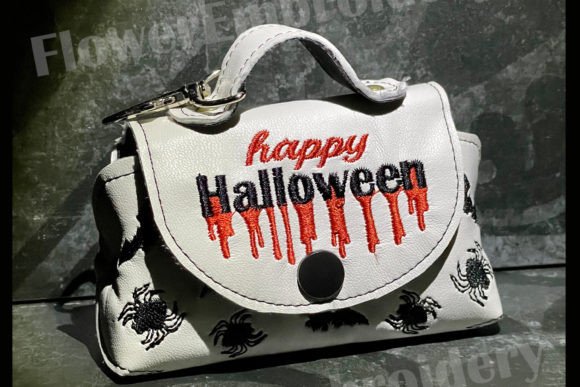
In the competitive landscape of small business merchandise, every detail matters. As an embroidery designer who has spent years refining digital files for commercial production, I look beyond aesthetics to functionality, brand alignment, and manufacturing efficiency. Today, we are reviewing the ITH Mini Bag Ghost Embroidery, a design categorized under Sewing Patterns and Graphics that promises versatility for mini bags, chapstick holders, and tissue cases. This review evaluates how this specific digital embroidery file performs when scaled up or adapted for branded patches, staff uniforms, and high-volume merch.
First Impressions: Visual Personality and Brand Fit
The title "Ghost" suggests a certain ethereal quality—perhaps playful, modern, or slightly rustic depending on the execution. When reviewing any machine embroidery design intended for small business merch, the first step is assessing its visual weight. Does it feel premium? Is it bold enough to be recognized from a distance, or is it too delicate for everyday wear?
This design appears to lean toward a friendly, handmade aesthetic. It is not overly ornate, which is a significant advantage for commercial use. In my experience, designs that are too intricate often lose their definition when embroidered on curved surfaces like caps or aprons. The Ghost motif likely offers a clean silhouette that translates well to various fabric textures. For brands in the bakery, florist, or creative studio sectors, this level of subtlety can convey professionalism without appearing stiff or corporate. It strikes a balance between decorative and functional, making it suitable for customer gifts and event merch where a personal touch is valued.
Real-World Business Applications
While the product description highlights its suitability for mini bags and poo bag holders, the true value for a small business owner lies in its adaptability as a brand identity asset. Here is how I envision this design performing across different commercial applications:
- Embroidered Patches: The clean lines of this design make it an excellent candidate for iron-on or sew-on patches. Small businesses often use these on denim jackets, backpacks, or tote bags as a form of wearable advertising. Because the design is described as suitable for 7 x 10 inch hoops, it has enough space to include necessary border details if converted into a patch format.
- Apron Embroidery: For café owners or boutique staff, branding on uniforms is crucial. Placing this ghost motif on the chest pocket or lower corner of a canvas apron adds a unique signature. It reinforces brand recognition every time a staff member serves a customer or assists in a shop.
- Cap Embroidery: Caps remain a staple in custom apparel. However, complex designs often fail here due to curvature. If the Ghost design relies heavily on fine shading or tiny text, it may become muddy on a cap front. But if it features solid shapes and clear outlines, it could serve as a distinctive logo accent on baseball caps or beanies.
- Tote Bag Design: A large tote bag provides ample real estate. Using this design as a central focal point or a repeating pattern element can elevate a simple canvas bag into a high-value product. This is particularly effective for Etsy sellers looking to increase the perceived value of their handmade products.
- Product Packaging Accents: Beyond apparel, this digital embroidery file can be used on tags attached to retail items. A small embroidered label featuring the ghost motif adds a tactile, premium feel that printed labels cannot replicate, enhancing buyer engagement and unboxing experiences.
Strategic Considerations and Limitations
No design is perfect for every application. As a professional reviewer, I must highlight areas where caution is required. The transition from a digital graphic to a physical stitch-out involves several variables that can impact the final result.
Small Patch Sizes: If you intend to reduce this design to fit on a tiny lapel pin or a small keychain accessory, you risk losing critical details. Fine lines may merge, and negative space may disappear. Always test at the actual production size before committing to bulk orders.
Curved Surfaces: Embroidering on caps or curved bag handles requires specialized techniques. The tension of the thread can distort the design if the stabilizer is not chosen correctly. The Ghost design’s success on these items depends heavily on the stability of the underlying fabric and the precision of the digitizing.
High Stitch Density: Designs with dense fills can become stiff and uncomfortable, especially on garments worn against the skin. Check the stitch density in your software. If the design feels too heavy, consider using a satin stitch outline instead of a full fill to maintain breathability and comfort.
Fabric Texture and Color: Dark uniforms require a backing or underlay to prevent show-through, which can alter the visual appearance of light-colored threads. Similarly, textured fabrics like heavy denim or fleece can obscure fine details. Always perform a test run on the exact material you plan to use for production.
Impact on Brand Identity and Customer Trust
Quality embroidery signals attention to detail. When customers see a well-executed embroidered patch or a crisp tote bag design, they associate that craftsmanship with the quality of the core product. Poorly executed embroidery, with loose threads or misaligned stitches, can damage brand trust.
By choosing a versatile and aesthetically pleasing design like the Ghost motif, small businesses can project a cohesive image. Consistency in visual assets—from social media graphics to physical merchandise—creates a memorable brand experience. This design, with its likely blend of modern and handmade vibes, supports a narrative of authenticity and care, which resonates strongly with today’s conscious consumers.
Practical Designer Notes for Production
To ensure the best results when integrating the ITH Mini Bag Ghost Embroidery into your workflow, follow these essential steps:
- Test in Black and White: Before selecting thread colors, view the design in monochrome. This helps assess the balance of positive and negative space. If the design looks cluttered in black and white, it will likely look messy in color.
- Check Hoop Size Compatibility: The description mentions suitability for 7 x 10 inch hoops. Ensure your machine can accommodate this size or that the design can be safely resized without distorting the aspect ratio.
- Select Proper Stabilizer: The choice of stabilizer (cut-away vs. tear-away) depends on the fabric. For stretchy materials or frequent washing, a cut-away stabilizer is recommended to maintain integrity.
- Create a Printable Mockup: Use digital mockups to visualize the design on different products. This allows for client approval and helps identify potential scaling issues before cutting fabric.
- Confirm Commercial Licensing: Verify the terms of use for this digital embroidery file. Ensure you have the right to sell finished goods incorporating this design, especially if you are producing for other businesses or large-scale events.
- Inspect Thread Contrast: Choose thread colors that offer sufficient contrast against the base fabric. Low contrast can make the design difficult to read, especially in low-light environments.
In conclusion, the ITH Mini Bag Ghost Embroidery offers a compelling option for small business owners seeking to enhance their merchandise with a touch of whimsy and professionalism. Its versatility across various applications—from aprons to caps—makes it a valuable addition to any designer’s asset library. By carefully considering production techniques and brand alignment, you can leverage this design to create high-quality, recognizable products that drive customer loyalty and growth.