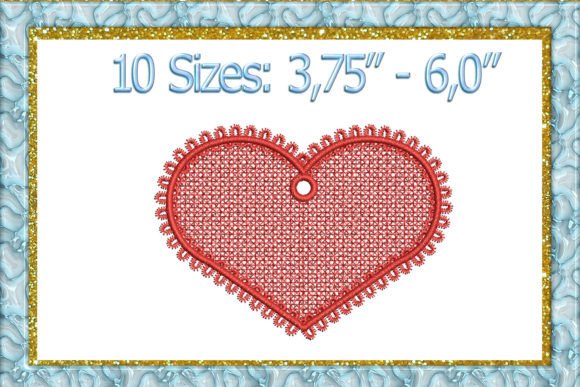
FSL Heart Embroidery: A Designer’s Review for Personalized Gifts
As an embroidery designer who spends countless hours testing stitches, fabrics, and stabilizers, I approach every new design with a mix of excitement and skepticism. When I received the FSL Heart Embroidery file, my first thought was not just about how it looks on screen, but how it translates to a physical product that a customer will hold, love, and potentially pass down as a keepsake. This review is based on my practical experience evaluating this design for potential use in a personalized gift shop, specifically targeting high-value items like baby blankets, wedding keepsakes, and custom home decor.
First Impressions: Mood, Charm, and Emotional Appeal
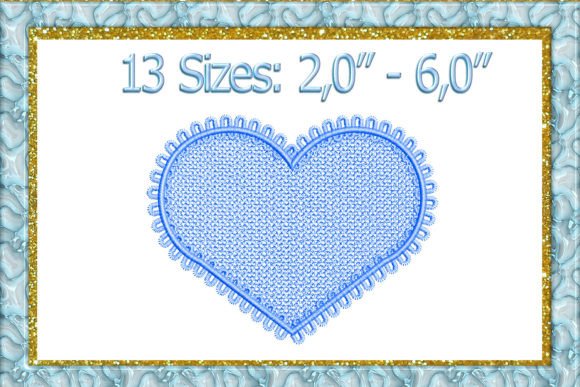
The moment I loaded the FSL Heart Embroidery file into my hoop, the delicate nature of the free-standing lace (FSL) technique became apparent. Unlike standard fill designs that sit heavily on the fabric, this design creates a floating, airy structure. The mood is undeniably romantic and elegant, yet it retains a playful charm that prevents it from feeling overly formal or stiff. For a Valentine S Day collection, this is perfect, but its versatility extends far beyond a single holiday.
From a design perspective, the detail level is sophisticated. The open spaces within the heart shape allow light to pass through, creating a beautiful interplay of shadow and texture when stitched. It feels handmade even though it is machine-embroidered, which is the holy grail for modern crafters. Whether you are aiming for a sweet nursery aesthetic or a chic bridal theme, this design strikes a balance between classic symbolism and contemporary minimalism. It does not scream for attention; instead, it whispers elegance, making it ideal for customers who appreciate subtle luxury in their personalized gift selections.
Product Applications: Where This Design Shines
In my testing phase, I visualized this design across several categories common among Etsy sellers and small business owners. The versatility of the FSL technique allows it to be used on a variety of substrates, provided the right support is used.
- Baby Embroidery and Nursery Decor: The soft, open structure of the FSL Heart Embroidery is gentle on the eye and safe for baby products. Imagine this stitched onto a muslin swaddle blanket or a lightweight cotton receiving blanket. Because it lacks dense backing, it remains breathable and soft against sensitive skin. It adds a touch of sophistication to nursery wall hangings or crib mobiles where weight must be minimized.
- Wedding Gifts and Keepsakes: For wedding gift designers, this design offers a timeless appeal. Stitched onto linen pillow covers or high-quality kitchen towels, it serves as a memorable token for bridesmaids or newlyweds. The lace-like quality mimics traditional bridal lace, adding perceived value to the item without the cost of actual lace fabrication.
- Custom Tote Bags and Aprons: While often associated with heavy-duty canvas, FSL designs can look stunning on lighter tote bags if stabilized correctly. On aprons, particularly those made from linen or blended cotton, the heart acts as a focal point that elevates a utilitarian item into a fashion statement. This is excellent for custom embroidery orders where clients want something unique rather than a mass-produced logo.
- Kitchen Towels and Home Textiles: An embroidered towel featuring this design becomes a functional piece of art. The contrast between the textured stitch work and the smooth weave of the towel creates visual interest. It is particularly effective for gift sets, such as a "Baking Together" kit with matching apron and towel.
Strategic Considerations: Where to Use Caution
While the FSL Heart Embroidery is versatile, it is not suitable for every project. As a professional, I must highlight areas where this design could fail if applied incorrectly. Understanding these limitations protects your reputation and ensures customer satisfaction.
- Delicate Details and Small Lettering: If you plan to add names or dates near the heart, ensure the font size is large enough. FSL designs rely on structural integrity; too much fine detail nearby can cause stitching issues or distortion. Avoid placing tiny text directly adjacent to the thin lace threads.
- Thick or Textured Fabrics: This design requires a relatively flat surface to maintain its shape. Thick terry cloth towels or heavily textured knits can distort the delicate lace structure, causing the heart to buckle or lose its definition. Stick to medium-weight wovens like cotton, linen, or blends.
- Stretchy Baby Clothes: While great for blankets, avoid using this on stretchy jersey knits used for onesies unless you are using a very strong tear-away or cut-away stabilizer. The lack of backing in FSL means the fabric itself provides some support, which stretchy materials cannot do effectively.
- Curved Surfaces: Attempting to embroider this on curved items like baseball caps or rounded mugs is risky. The flat, two-dimensional nature of the lace may not conform well to curves, leading to puckering. Stick to flat surfaces for the best results.
- Dark Fabric and Contrast: FSL designs are often stitched in white or light colors to mimic lace. If you use dark fabric, ensure the thread color provides sufficient contrast. Dark threads on dark fabric will make the intricate details disappear, ruining the effect.
Impact on Giftability and Perceived Value
For Etsy sellers and small shop product creators, the presentation of the item is as important as the item itself. The FSL Heart Embroidery significantly enhances the perceived value of a handmade product. Customers associate the complexity of free-standing lace with higher skill levels and greater effort, which justifies a premium price point.
Furthermore, this design is highly photogenic. The shadows cast by the lace structure create depth in product photography, making listings more engaging. In a digital marketplace, where buyers cannot touch the product, visual cues of quality are essential. A well-executed FSL heart signals care and craftsmanship, fostering customer trust and emotional connection. Buyers are more likely to leave positive reviews and recommend your shop when they receive a gift that feels truly special and unique.
Practical Embroidery Notes for Success
To ensure your finished product meets professional standards, follow these technical guidelines when working with the FSL Heart Embroidery file:
- Test on Scrap Fabric: Always run a test stitch on the exact fabric you plan to sell. Different weaves react differently to the tension required for FSL.
- Check Thread Color Contrast: Compare light and dark fabric mockups to ensure the design pops. White thread on white fabric is invisible, while black thread on black fabric hides detail.
- Confirm Hoop Size: Verify that the design fits comfortably within your available hoop sizes. Centering is crucial for balanced aesthetics on final products.
- Review Stitch Density: Although FSL has low density compared to fills, check the edge stitches for stability. Loose edges can fray during washing.
- Use Proper Stabilizer: Even though FSL stands alone, a temporary stabilizer (like water-soluble topping or tear-away backing) is often necessary during stitching to prevent the fabric from shifting. Remove it carefully after stitching to preserve the lace structure.
- Check Small Details: After stitching, inspect the thinnest parts of the heart. Ensure no threads have broken or pulled.
- Commercial Licensing: Before selling finished products, confirm the commercial licensing terms of the digital embroidery file. Some licenses restrict the number of units sold or require specific attribution.
By treating the FSL Heart Embroidery with respect and understanding its technical requirements, you can create stunning, high-value gifts that resonate with customers. It is a design that bridges the gap between artistic expression and commercial viability, making it a valuable addition to any machine embroidery design library.