FSL Heart Machine Embroidery Design Review
As an embroidery designer who has spent years translating digital concepts into tactile reality, I approach every new embroidery file with a mix of excitement and skepticism. The market is saturated with generic shapes, but few manage to elevate a simple garment into a statement piece. Recently, I had the opportunity to evaluate the FSL Heart Machine Embroidery design for a specific use case: a limited-edition drop for a boutique sweatshirt collection. This review breaks down how this particular design performs when moved from screen to fabric, focusing on aesthetics, technical execution, and brand value.
First Impressions: Mood and Aesthetic Potential
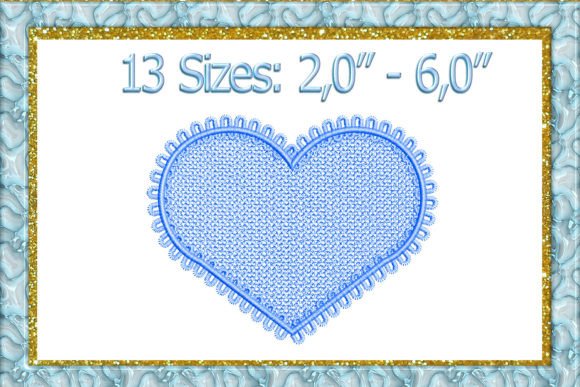
The moment you load the FSL Heart Machine Embroidery into your digitizing software, the first thing that strikes you is its clean, free-standing lace (FSL) structure. Unlike filled satin stitches that can feel heavy or rigid, this design relies on openwork and delicate connecting threads. It exudes a mood that is simultaneously romantic and modern. For a small clothing brand looking to stand out, this design offers a sophisticated alternative to the typical bold logos or block-letter slogans often seen on apparel.
In terms of layout, the heart shape is not merely a symbol; it is a structural element. The stitch density appears balanced, avoiding the clumping that can ruin the drape of soft fabrics. When visualizing this on a premium cotton-blend sweatshirt, the design feels lightweight and breathable. It does not fight against the fabric; instead, it enhances the texture. The aesthetic leans towards "minimalist decorative," making it suitable for a wide range of demographics, from Gen Z crafters seeking cute accessories to mature audiences preferring understated elegance.
Application on Sweatshirts and Hoodies
Sweatshirt embroidery presents unique challenges. The fabric is thick, often looped, and prone to shifting under the hoop. However, the FSL Heart Machine Embroidery shines in this environment due to its stability as a free-standing piece. Because it does not require extensive backing within the design itself, it maintains its shape even when stitched onto bulky materials.
I envision this design being used in several strategic placements:
- Chest Placement: A small, centered heart on the left chest of an oversized hoodie creates a subtle, high-end look. It suggests quality without shouting for attention.
- Sleeve Accents: Stitching the heart along the cuff or lower sleeve adds a playful touch. This is particularly effective for pastel-colored garments, where the contrast between the thread and the soft fabric creates a dreamy effect.
- Back Designs: For a bolder statement, placing a larger version of the heart in the center of the back allows the lace details to breathe. This works exceptionally well on neutral tones like heather grey, oatmeal, or black.
On dark fabrics, such as charcoal or navy, the design requires careful thread color selection. White or metallic threads will pop beautifully, creating a striking visual recognition factor. Conversely, on light pastels, tonal stitching—using a slightly darker shade than the fabric—creates a luxurious, tonal-on-tonal effect that appeals to buyers looking for subtlety.
Technical Considerations for Commercial Use
For commercial embroidery and small shop product lines, consistency is key. When testing the FSL Heart Machine Embroidery, several practical concerns must be addressed to ensure the finished product meets professional standards.
- Stabilizer Choice: Because this is a free-standing design, it needs support during stitching but must remain removable afterward. A cut-away stabilizer is essential for sweatshirts to prevent distortion over time. For the lace areas, a water-soluble topping may be necessary to protect the top thread from sinking into the fleece texture.
- Hoop Placement: Sweatshirts are difficult to hoop flat. Using a magnetic hoop system or a specialized adhesive spray can help stabilize the fabric around the hoop size boundary. Ensure the heart design is positioned away from seams and pockets to avoid puckering.
- Thread Color Contrast: The visibility of the lace holes depends heavily on contrast. If the background fabric is too similar to the thread, the intricate details may get lost. Always test on actual garment stock before committing to a full production run.
- Washing Durability: One of the biggest fears for customers buying embroidered apparel is shrinkage or distortion. Since this design is FSL, it relies on its own structure. Ensuring proper trimming of jump threads and using high-quality polyester thread will enhance durability. The design should withstand machine washing if cared for correctly, maintaining its integrity as a handmade product.
Brand Identity and Market Value
Using a refined design like FSL Heart Machine Embroidery significantly impacts how a boutique brand is perceived. In the crowded marketplace of Etsy sellers and digital designers, presentation is everything. A crisp, well-executed lace heart signals attention to detail and quality craftsmanship.
When photographing these items for Etsy listings or social media, the texture of the embroidery adds depth to the images. The interplay of light and shadow on the lacework makes for compelling printable mockup visuals. Customers are more likely to trust a seller who invests in superior design assets because it reflects professionalism. This design elevates a basic sweatshirt from a commodity to a lifestyle item, justifying a higher price point.
Furthermore, the versatility of the heart motif allows for cross-selling opportunities. The same design file can be adapted for tote bags, beanies, and baby onesies, creating a cohesive brand identity across different custom apparel categories. For creative entrepreneurs, this flexibility is invaluable for maximizing the return on investment for each digital embroidery file purchased.
Final Verdict for Designers
The FSL Heart Machine Embroidery design is a strong candidate for inclusion in any serious embroiderer’s library, particularly those focused on apparel. Its ability to blend seamlessly with various fabric textures—from cozy fleece to smooth jersey—makes it a versatile tool for small business owners. The design feels premium, feminine, and timeless, avoiding fleeting trends that might date the product quickly.
However, as with all digitized art, success lies in execution. Before rushing into production, verify the following details directly from the source files:
- Confirm the exact stitch count to estimate production time accurately.
- Check the recommended hoop size to ensure compatibility with your machine’s capabilities.
- Review the included formats (such as PES, Bro, etc.) to guarantee compatibility with your specific embroidery hardware.
- Verify license terms if you plan to sell finished goods commercially.
If these technical boxes are checked, the FSL Heart Machine Embroidery offers a beautiful, reliable solution for adding a touch of lace-like elegance to your sweatshirt collections. It transforms simple garments into wearable art, appealing to customers who value both style and substance. For the discerning designer, this is not just a heart; it is a statement of quality.