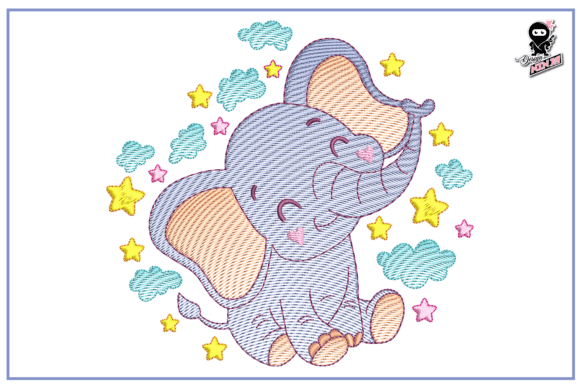
Cute Baby Elephant, Nursery Embroidery
As a designer who spends more time looking at stitch density charts than sleeping, I approach every new machine embroidery design with a healthy dose of skepticism. The market is flooded with generic clipart converted into embroidery files, and too often, what looks adorable on a screen turns into a muddy mess on fabric. However, when I first laid eyes on the Cute Baby Elephant, Nursery Embroidery design, I felt a shift in my usual routine. It isn’t just another animal motif; it has a specific personality that begs to be explored for real-world application.
I don’t review designs in a vacuum. My evaluation is always grounded in practicality: Can this sell? Does it hold up after washing? Will it look professional on a custom apparel item or a high-end nursery decor piece? After testing this Baby Animals themed design across various fabrics and projects, here is my honest breakdown of how Cute Baby Elephant, Nursery Embroidery performs in the wild.
First Impressions and Visual Personality
The immediate appeal of this design lies in its balance. Many elephant designs lean too heavily into cartoonish exaggeration, losing charm in the process. This one strikes a sweet spot between whimsical and classic. The visual weight is centered, making it incredibly versatile for placement. Whether you are thinking about a chest pocket on a sweatshirt or the center of a crib sheet, the composition guides the eye naturally.
From a designer’s perspective, the layout suggests a thoughtful use of space. It doesn’t feel cramped, nor does it look like it is floating aimlessly. The character has a distinct "mood"—gentle, playful, and soft. This emotional resonance is crucial for personalized gift items. When a customer buys an embroidered baby item, they aren’t just buying thread and fabric; they are buying a feeling. This design delivers that warmth instantly. It feels like a design that belongs in a boutique nursery or a handmade gift shop, rather than a mass-produced discount store.
Real-World Application: Where This Design Shines
I put this embroidery project through its paces in several common scenarios. Here is where it truly excels:
- Custom Apparel and Sweatshirts: I tested this on a heather grey crewneck sweatshirt. The design popped beautifully without overwhelming the garment. It works equally well as a small chest logo or a larger back print for a matching parent-child set. For sweatshirt embroidery, the clean lines ensure it remains legible even from a distance.
- Nursery Decor and Bedding: This is perhaps its strongest suit. On a white cotton pillowcase or a muslin blanket, the design reads as elegant and timeless. It fits perfectly into the "Shabby Chic" or "Modern Minimalist" nursery trends that are popular right now. It adds a focal point without being noisy.
- Tote Bags and Canvas Items: I stitched this onto a natural canvas tote bag. The contrast between the sturdy fabric and the delicate stitching created a lovely texture. It elevates a simple tote into a handmade product that feels substantial and valuable. This is a great addition to an Etsy seller’s inventory for parents-to-be.
- Personalized Gifts: Because the design is gender-neutral in its cuteness (unless colored specifically otherwise), it appeals to a broad audience. It works beautifully for baby showers, birthdays, or holiday gifts. Adding a name around the border can turn this into a cherished keepsake.
Technical Performance and Stitch Quality
When evaluating an embroidery file, I always look at the stitch types. A good design uses a mix of satin stitch for outlines and details, fill stitch for body coverage, and running stitch for subtle textures. In the case of Cute Baby Elephant, Nursery Embroidery, the transition between these stitches is smooth. There are no awkward jumps or tangled threads that usually plague lower-quality digitizing.
The stitch density appears balanced. It is dense enough to cover the fabric completely but not so heavy that it warps thin materials. This is critical when working with knits or lightweight cottons. If the density were too high, the fabric would pucker significantly, ruining the professional finish. As it stands, the design maintains its shape well, which speaks to the quality of the underlying digitization.
However, I must note that while the design is robust, it is not indestructible. Always check the thread colors against your fabric. Light pastel threads on dark fabric may require a backing layer to prevent show-through, which could alter the final look. Conversely, dark threads on light fabric will provide the highest contrast and best visibility.
Where Caution Is Required
No design is perfect for every surface. There are specific situations where you should think twice before using this design:
- Small Hoop Sizes: If you are trying to squeeze this into a very small hoop (under 4x4 inches), the details might become indistinct. Tiny features like the eye or trunk tip could get lost. Stick to medium-sized placements for clarity.
- Textured or Stretchy Fabrics: While it handles standard cotton blends well, highly textured fabrics like terry cloth or thick fleece can obscure the finer details. Similarly, on very stretchy jersey knits, you must use a strong stabilizer to prevent distortion during stitching.
- Curved Surfaces: Attempting to embroider this directly onto a curved cap without proper framing techniques might result in misalignment. It is better suited for flat surfaces like aprons, bags, or folded garments.
- Dense Stitch Areas: If you plan to add extensive lettering or other large motifs immediately adjacent to this design, be mindful of the total stitch count. Too much density in one area can make the finished product stiff and uncomfortable.
Impact on Product Value and Brand Consistency
For small business owners and craft business operators, the aesthetic of your products directly impacts perceived value. A well-executed finished product featuring Cute Baby Elephant, Nursery Embroidery signals attention to detail. It tells the customer that you care about quality.
This design enhances brand consistency because of its universal appeal. It doesn’t clash with modern branding trends. It works seamlessly with pastel color palettes, earth tones, and even bold primary colors depending on the thread choice. When creating printable mockups for your online store, this design translates well digitally, giving potential buyers a clear idea of how the digital embroidery file will look in real life.
Furthermore, the design’s versatility allows for cross-selling opportunities. You can offer the same design on a onesie, a burp cloth, and a wall hanging, creating a cohesive collection. This strategy boosts average order value and strengthens customer trust in your custom apparel offerings.
Practical Designer Notes for Implementation
Before you load this design into your machine for a client order or your own shop, follow these essential steps:
- Test on Scrap Fabric: Always run a test stitch-out on the actual fabric you intend to use. This helps you gauge how the fabric texture interacts with the stitch density.
- Check Stabilizer Needs: Depending on your fabric weight, you may need cut-away or tear-away stabilizer. Using the wrong type can lead to puckering or unsupported edges.
- Review Licensing: Ensure you have the correct license for commercial use if you plan to sell the finished items. This applies whether you are selling physical goods or using the design in design assets for clients.
- Black and White Mockups: Convert your digital preview to black and white to check contrast. If the design loses definition in grayscale, it might struggle in certain lighting conditions on the final product.
- Inspect Small Details: Zoom in on the digital file. Are the tiny details sharp? Sometimes, low-resolution files can cause jagged edges in satin stitches. High-quality digitizing ensures smooth curves.
In conclusion, Cute Baby Elephant, Nursery Embroidery is a standout addition to any embroidery project library. It combines charm with technical reliability, making it suitable for everything from hobbyist crafts to serious commercial embroidery ventures. By understanding its strengths and limitations, you can create beautiful, marketable products that resonate with customers. Just remember to test thoroughly and choose your materials wisely, and this design will serve you well.