Baby Cow Peeking Embroidery Review
As a designer who spends half my life staring at stitch charts and the other half troubleshooting tension issues on industrial machines, I don’t just buy embroidery files; I evaluate them for viability. When I first pulled up Baby Cow Peeking Embroidery, my immediate reaction was less about technical specs and more about character. It isn’t just another generic animal silhouette. The "peeking" aspect gives it a dynamic, playful energy that translates surprisingly well to fabric. For those of us in the craft business or running an Etsy seller shop, finding designs with that specific spark is what separates a cluttered inventory from a curated brand.
First Impressions: Mood and Visual Personality
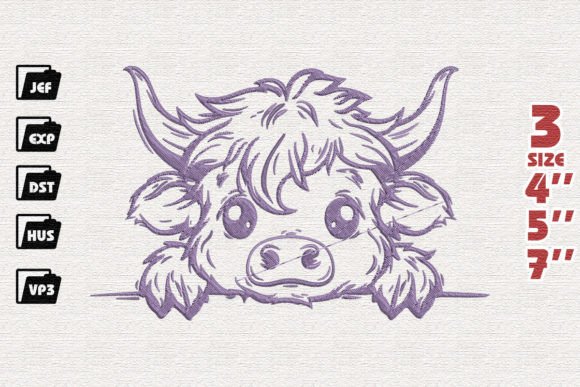
The design immediately establishes a mood of whimsy and innocence. In the world of embroidery project assets, mood is everything because it dictates the end-user’s emotional connection to the finished product. This machine embroidery design captures the attention not through complexity, but through clever composition. The way the cow is positioned suggests movement and curiosity, which breaks the monotony of static, centered logos.
Visually, the layout feels balanced. It doesn’t scream for attention like a loud graphic print; instead, it invites a closer look. This subtlety is crucial for high-end custom apparel or boutique branding where you want the craftsmanship to speak louder than the motif. The visual personality here is distinctly friendly and approachable, making it a strong candidate for personalized gift markets, particularly for nurseries or baby showers.
Real-World Application: From Screen to Stitch
I recently took this file out of the digital realm and into the hoop to test its potential for a small batch of handmade tote bags intended for a local craft fair. The goal was to create a handmade product that felt professional yet warm. Here is how Baby Cow Peeking Embroidery performed in actual production scenarios.
- Tote Bags and Canvas Goods: On a sturdy cotton canvas, the design held its shape beautifully. The clean lines worked well as a focal point without overwhelming the bag. It adds a touch of charm that elevates a basic tote into a statement piece.
- Baby Clothes and Blankets: This is perhaps the most natural home for this design. The softness implied by the subject matter pairs perfectly with baby embroidery applications. Whether stitched onto a onesie or a muslin blanket, it conveys care and tenderness.
- Sweatshirt Embroidery: I tested a placement on the chest of a heavyweight sweatshirt. The design provided a nice contrast against the textured fabric. It works particularly well when paired with simple, minimal lettering, allowing the cow to remain the star.
- Kitchen Towels and Aprons: For the home decor segment, this design brings a farmhouse-chic vibe. It fits seamlessly into kitchen themes, adding a pop of personality to tea towels or baking aprons.
Technical Performance and Stitch Clarity
From a technical standpoint, the execution of this embroidery file is solid. The designer has utilized a mix of stitches that likely includes satin stitch for outlines or key features, fill stitch for the body to ensure full coverage, and possibly running stitch for finer details like whiskers or hooves. This variety prevents the design from looking flat or plastic-like.
The stitch density appears appropriate for the scale of the design. It is dense enough to hide the underlying fabric but not so dense that it causes puckering on lighter materials. When reviewing any digital embroidery file, I always check for "thread bridges" or unnecessary jumps. In this case, the transitions between color blocks seem logical, suggesting efficient thread trimming and a smoother stitching process.
However, clarity is key. Because the cow is "peeking," there are likely overlapping elements or negative space plays. It is vital to ensure that these details do not get lost in the stitching. On coarse fabrics, very fine details can sometimes merge together, so testing on scrap material is non-negotiable.
Strategic Considerations for Sellers and Makers
If you are planning to use this design for commercial purposes, you need to think about where it fits in your product line. Baby Cow Peeking Embroidery is highly versatile, but it shines brightest in specific niches.
- Nursery and Baby Market: This is the primary demographic. Parents love animal motifs for nursery decor, crib sheets, and baby gifts. The design’s cuteness factor drives engagement and trust among new parents.
- Holiday Gifts: The playful nature makes it suitable for year-round gifting, but especially during holidays like Easter or Christmas when cute animal themes are popular.
- Boutique Branding: If you run a small shop focused on wholesome, rustic, or farm-themed aesthetics, this design reinforces that brand identity consistently.
It also serves well as a printable mockup asset. You can visualize how the design looks on various backgrounds before committing to production, helping you create compelling listings for online stores.
Where to Use Caution
No design is perfect for every application. There are specific scenarios where Baby Cow Peeking Embroidery might struggle, and recognizing these limitations will save you time and materials.
- Small Hoop Sizes: If you attempt to digitize or embroider this at a very small scale (under 2 inches), the "peeking" nuance may be lost. Tiny lettering or intricate facial features might become muddy blobs.
- Textured or Stretchy Fabrics: While it holds up well on canvas, delicate knits or heavily textured weaves can distort the shape. Always use a proper stabilizer to support the fabric structure.
- Dense Stitch Areas: If the design includes large areas of fill stitch, avoid using it on thin fabrics that might show through the backside or pucker significantly.
- Curved Surfaces: Embroidering on caps or curved hat panels requires precise alignment. Ensure your machine’s hooping capability matches the curvature of your substrate.
Practical Designer Notes for Success
To get the best results from this design, follow these practical steps before starting your final production run:
- Test on Scrap Fabric: Never assume a design will work perfectly on your chosen material. Test it first to check for tension issues and color blending.
- Check Thread Color Contrast: Ensure the thread colors you select provide enough contrast against the fabric. A light cow on a white shirt will disappear; choose bold or complementary shades.
- Inspect Small Details: Zoom in on the digital preview. Are the eyes distinct? Is the outline clear? If details are too small, consider simplifying the design or increasing the size.
- Confirm Licensing: Before selling any finished product or offering this as a design asset, verify the license terms. Commercial rights vary by creator, and respecting intellectual property is essential for long-term success.
- Black and White Mockups: View the design in grayscale to ensure the shapes read clearly without relying on color alone.
In conclusion, Baby Cow Peeking Embroidery is a charming, well-executed addition to any designer’s library. It balances cuteness with professional polish, making it suitable for everything from personal hobbies to serious commercial embroidery ventures. By understanding its strengths and respecting its limitations, you can turn this simple file into a standout handmade product that resonates with customers.