Chess Embroidery Design Review
As an embroidery designer who has spent years refining stitches for boutique clients, I approach every new digital file with a mix of excitement and skepticism. The market is saturated with generic patterns, so finding a design that balances artistic merit with commercial viability is rare. Recently, I pulled the Chess Embroidery Design from my library to test its potential for our personalized gift shop. This isn’t just another novelty pattern; it is a sophisticated piece that bridges the gap between intellectual strategy and heartfelt craftsmanship.
First Impressions: Elegance Meets Strategy
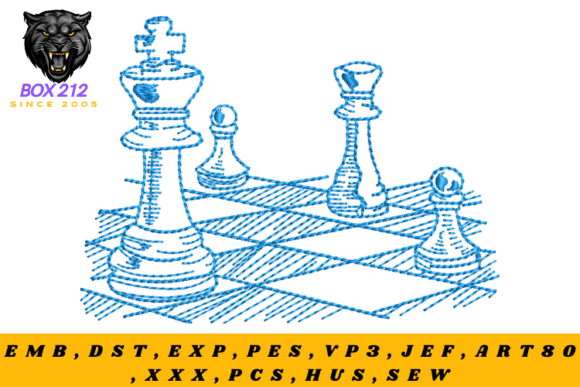
When I first opened the file in my digitizing software, the mood was immediately apparent. Unlike the cartoonish or overly simplistic chess motifs often found in mass-market supplies, this design carries a distinct air of elegance. It features a detailed depiction of classic chess pieces—the king, queen, knight, and pawns—rendered with enough clarity to stand out even at smaller scales. The aesthetic feels timeless, leaning towards classic rather than trendy, which is crucial for products intended to be cherished keepsakes.
The emotional appeal is strong. Chess is universally recognized as a game of intellect, patience, and connection. For a personalized gift, this symbolism adds layers of meaning that go beyond mere decoration. Whether it represents a couple’s shared hobby, a mentorship bond, or a family tradition, the design invites the owner to project their own story onto the fabric. It feels handmade, warm, and inviting, avoiding the coldness that can sometimes accompany geometric or abstract patterns.
Ideal Applications for Personalized Products
In my testing phase, I visualized how this embroidery design would perform across various product categories. Its versatility is one of its strongest selling points for Etsy sellers and small business owners looking to diversify their inventory.
Baby and Nursery Items
While chess is often associated with adulthood, there is a growing trend in gender-neutral nursery decor that embraces intellectual themes. A subtle placement of the knight or a single pawn on a blanket embroidery project creates a charming focal point. It serves as a modern heirloom, suggesting a future filled with learning and play. For baby embroidery, the clean lines of the pieces work well because they are easily recognizable by young children, making it a great choice for nursery decor that grows with the child.
Wedding and Relationship Keepsakes
One of the most compelling use cases is for wedding gifts. Chess is a metaphor for partnership, strategy, and moving forward together. I imagine this design embroidered on high-quality linen pillow covers or monogrammed aprons for a newlywed couple who enjoys game nights. It transforms a standard household item into a meaningful token of their union. Similarly, for anniversary gifts, it symbolizes the long game of marriage, adding depth to the sentiment.
Daily Use Accessories
For the practical crafter, this design shines on functional items. An embroidered towel for a kitchen or bathroom gains a touch of sophistication. On a custom tote bag, it appeals to students, professionals, or anyone who appreciates the arts. The design’s balance allows it to sit comfortably on the chest area of an apron or centered on a cushion, providing a polished look that elevates the perceived value of the handmade product.
Strategic Considerations and Limitations
No design is without its challenges. As a professional, I must advise caution in specific applications to ensure customer satisfaction and product longevity.
- Fabric Texture: While beautiful on smooth cottons and linens, the fine details may get lost on heavily textured fabrics like heavy waffle weave towels or bouclé throws. Always review the stitch density against your chosen material.
- Stretchy Materials: Be careful when applying this to stretchy baby clothes or jersey knits without proper stabilizer support. The weight of the thread could cause distortion over time.
- Small Details: If you plan to scale the design down significantly for small tags or jewelry pouches, check the minimum legibility threshold. Tiny knights can become indistinct blobs if the hoop size is too small.
- Dark Fabrics: This design relies on contrast. Ensure you have a robust palette of thread colors available. Using light threads on dark fabric requires a backing or underlay to prevent the fabric color from showing through the stitches.
- Frequent Washing: For items like embroidered towels or aprons that undergo frequent laundering, verify that the stitch type used (likely satin or fill) will hold up to abrasion. High-density areas may wear faster than sparse ones.
Impact on Giftability and Brand Trust
From a business perspective, the quality of the design directly influences buyer engagement. A well-executed machine embroidery design signals professionalism. When a customer sees crisp edges and consistent tension in product photography, it builds trust in your brand’s ability to deliver a premium custom embroidery service.
This design enhances the "giftability" factor. Because chess carries connotations of thoughtfulness and intelligence, customers feel good about purchasing it as a present. It justifies a higher price point compared to simple logo placements. For digital product sellers, offering a printable mockup that showcases this design on various backgrounds can help buyers visualize the final result, reducing hesitation and increasing conversion rates.
Practical Embroidery Notes for Makers
Before committing to production runs, I recommend following these steps to ensure the best outcome:
- Test on Scrap Fabric: Never skip this step. Stitch the design on the exact fabric you intend to sell. Observe how the fabric texture interacts with the thread.
- Check Thread Color Contrast: Experiment with different thread combinations. Metallic threads might add a luxurious touch for wedding gifts, while matte cottons offer a rustic charm for kitchen items.
- Confirm Hoop Size: Ensure the design fits within your machine’s standard hooping limits. If the design is large, consider splitting it or using an extension frame.
- Review Stitch Density: Look closely at the digitization. Areas that are too dense can cause puckering, especially on lightweight fabrics. Adjustments may be needed depending on your machine’s capabilities.
- Use Proper Stabilizer: Cut-away stabilizers are generally recommended for woven garments and home decor to prevent shifting during washing. Tear-away may suffice for temporary projects but risks leaving residue.
- Compare Light and Dark Mockups: Create digital mockups on both white and black backgrounds to see how the design adapts. This helps in setting accurate expectations for customers.
- Verify Commercial Licensing: Most importantly, confirm the commercial licensing terms before selling finished products. Ensure you are permitted to sell physical goods made from this digital embroidery file.
In conclusion, the Chess Embroidery Design is a versatile, emotionally resonant addition to any designer’s toolkit. It appeals to a wide audience, from parents decorating nurseries to couples seeking unique wedding gifts. By paying attention to fabric choices, stitch quality, and proper preparation, you can transform this digital pattern into a tangible expression of strategy and care. For craft fair products and online listings alike, it offers a blend of classic style and modern relevance that is sure to attract discerning buyers.