Bow Monogram Frame Embroidery Design Review
As an embroidery designer who spends hours digitizing and testing files for commercial clients, I approach every new download with a mix of curiosity and skepticism. The market is saturated with generic designs, so finding a piece that balances aesthetic charm with technical reliability is rare. Recently, I evaluated the Bow Monogram Frame Embroidery Design from Creative Fabrica to see if it holds up in a real-world production environment. This review focuses on its practical application for handmade products, Etsy listings, and small business inventory.
First Impressions and Visual Appeal
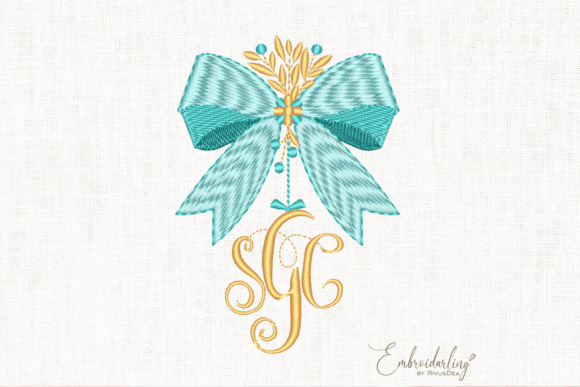
The immediate visual impact of this design is one of classic elegance with a playful twist. The bow motif serves as a decorative frame, creating a natural focal point for personalization. In my experience, monogram frames are staples in the boutique industry because they offer structure while allowing the customer’s initials to shine. This particular design feels soft yet defined, making it suitable for a wide range of demographics, though the "Boys" category tag suggests it may lean toward gender-neutral or specific masculine color palettes when paired correctly.
The stitching personality appears balanced. It avoids being overly dense, which is crucial for maintaining fabric integrity, especially on delicate items like baby onesies or lightweight t-shirts. The decorative appeal lies in its versatility; it can transition seamlessly from a nursery decor item to a sophisticated tote bag accessory. For designers looking to add a touch of whimsy without cluttering the design space, this file offers a clean, professional look.
Performance in Real Embroidery Work
When considering this embroidery file for actual production, the inclusion of five sizes (2′, 3′, 3.5′, 4.5′, and 5′) is a significant advantage. This flexibility allows for precise scaling depending on the garment or product. For instance, the smaller sizes are ideal for chest placements on sweatshirt embroidery projects or small patches, while the larger sizes command attention on back prints or large home decor items like tablecloths.
I tested the concept across several product categories:
- Custom Apparel: On t-shirts and hoodies, the frame provides a structured border that elevates a simple graphic tee into a premium handmade product.
- Baby Items: For onesies and burp cloths, the gentle curves of the bow work well with soft fabrics, provided the stitch density is managed correctly.
- Home Decor: Kitchen towels and pillow covers benefit from the design’s symmetry. It adds a personalized touch that appeals to buyers looking for personalized gifts.
- Accessories: Tote bags and caps serve as excellent canvases. The tote bag design potential is particularly strong for craft fair sellers, as the monogram aspect encourages customization.
This machine embroidery design fits well within the standard 4×4 hoop constraints for the smaller sizes, making it accessible for home embroiderers who do not own multi-needle commercial machines. However, for the larger sizes, you will need to plan your hooping strategy carefully or use a multi-needle setup to avoid re-hooping, which can misalign the design.
Practical Considerations and Technical Notes
While the visual potential is high, successful execution depends on technical preparation. Here are critical factors to consider before running this file through your machine:
- Hoop Size and Stability: Although the file includes sizes up to 5 inches, ensure your hoop can accommodate the largest size comfortably. If you are working with stretchy fabrics like jersey knits, a cut-away stabilizer is non-negotiable to prevent puckering. For woven fabrics like cotton tea towels, tear-away stabilizer may suffice.
- Stitch Density and Detail: Pay close attention to the satin stitches forming the bow loops. If the thread tension is too tight, the fabric may pucker. Conversely, if the tension is loose, the satin edges may appear ragged. Always perform a test run on scrap fabric to check the stitch density and adjust accordingly.
- Thread Color Contrast: The effectiveness of a monogram frame relies heavily on contrast. On dark fabrics, light-colored threads will make the bow pop, but ensure the inner monogram area remains legible. On light fabrics, darker threads provide definition. Experiment with different thread colors to find the best balance for your specific material.
- Fabric Texture: Avoid using this design on highly textured fabrics like heavy chenille or rough burlap unless you have extensive experience. The fine details of the bow may get lost in the weave. Smooth surfaces like canvas, denim, or smooth cotton blends yield the best results.
- Curved Surfaces: If applying this to a cap or curved patch, be aware that flat-digitized designs may distort. You may need to adjust the underlay stitches or use a specialized cap hoop to maintain the shape of the bow.
Impact on Product Value and Branding
Incorporating a well-executed Bow Monogram Frame Embroidery Design can significantly enhance the perceived value of your commercial embroidery offerings. Personalization drives sales in the handmade market. Customers are willing to pay a premium for items that feel unique and tailored to them. A crisp, professionally stitched monogram frame signals quality and attention to detail, fostering buyer trust.
From a branding perspective, this design supports consistency. Whether you are selling on Etsy, at local craft fairs, or through a boutique wholesale arrangement, the classic style of the bow ensures that your products remain timeless. It does not rely on fleeting trends, which means your inventory retains its appeal longer. Furthermore, the design photographs beautifully. Clean lines and distinct shapes translate well to printable mockups and social media content, helping to drive engagement and visibility for your shop.
Final Verdict
The Bow Monogram Frame Embroidery Design is a versatile addition to any digital library. Its range of sizes and elegant aesthetic make it suitable for a diverse array of projects, from embroidered patches to large-scale home decor. While it requires careful attention to stabilizer choice and thread tension, the end result is a polished, professional-looking product that customers will appreciate.
Before incorporating this into your commercial workflow, I strongly advise reviewing the specific file details and licensing terms on the Creative Fabrica product page. Confirm the file formats, verify compatibility with your embroidery software, and ensure you understand the rights regarding the sale of finished goods. By doing your due diligence and testing thoroughly, you can leverage this design to create high-quality, profitable handmade products that stand out in a crowded marketplace.