Shamrock Feltie File Embroidery
As an embroidery designer who has spent years translating digital concepts into tangible textile assets, I approach every new file with a critical eye. We aren’t just looking for pretty pictures; we are looking for production viability, brand alignment, and commercial potential. When I first reviewed the Shamrock Feltie File Embroidery, my immediate thought was how this specific aesthetic could elevate small business merchandise beyond generic holiday promotions. This isn't just another St. Patrick’s Day clipart converted to stitches; it is a design asset that carries a distinct "feltie" personality—rustic, tactile, and deeply handmade.
First Impressions: The Aesthetic of Handmade Authenticity
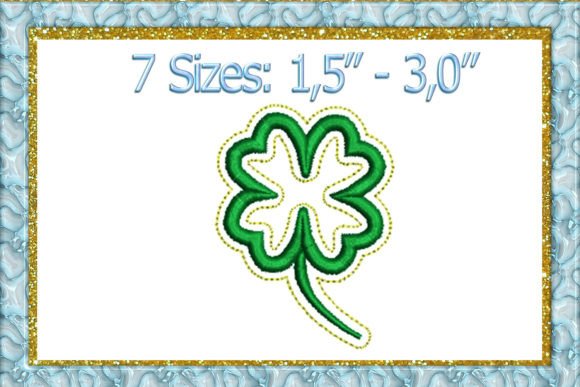
The term "Feltie" in the title sets a very clear expectation. In the world of machine embroidery design, this usually implies a style that mimics the look of cut felt shapes or appliqué, often featuring bold outlines and simplified internal details. This visual language resonates strongly with modern branding trends that favor authenticity over perfection. For a boutique café, a handmade soap shop, or a creative studio, this design feels professional yet approachable. It avoids the overly glossy or corporate feel of some standard vector-based embroidery files.
Visually, the design strikes a balance between playful and premium. The clover motif is classic, but the execution suggests a handcrafted origin. This is crucial for brand identity. When customers see a logo that looks like it was carefully crafted by hand, even if it was produced on a computerized machine, they perceive higher value. The embroidered patch created from this file would likely serve as a strong focal point on aprons, tote bags, or caps, signaling that the business cares about detail and texture.
Real-World Business Applications
So, where does this digital embroidery file fit into a product line? Let’s look at practical scenarios for small business owners and apparel decorators.
- Staff Uniforms and Apron Embroidery: For local bakeries or florists, this design works beautifully as a chest logo accent. The "feltie" style reads well from a distance, making it ideal for staff visibility without overwhelming the garment. It adds a touch of whimsy to standard work shirts while maintaining a clean, unified look.
- Caps and Headwear: Cap embroidery often suffers from distortion due to curved surfaces. However, designs with strong outlines and moderate complexity, like this shamrock, tend to hold their shape well. It serves as an excellent single-logo placement for branded caps sold as customer gifts or event merch.
- Tote Bag Design and Product Packaging: A canvas tote bag is a mobile billboard. Placing this design centrally or on a pocket creates a handmade product feel that shoppers love. It also translates well to smaller applications, such as labels sewn into packaging for candles, jewelry, or baked goods, adding a tactile element to the unboxing experience.
- Etsy Branding and Craft Business Assets: For sellers on platforms like Etsy, visual consistency is key. Using this file across various items—keychains, pins, and patches—creates a cohesive brand story. It positions the seller as someone who understands texture and material, which can increase customer trust and engagement.
Technical Performance and Production Notes
From a technical standpoint, the description notes that the design comes in seven sizes, ranging from 2.00” up to 2.18” x 3.00” (55.4mm x 76.2mm), with a stitch count around 2946 stitches. As a designer, I find this size range highly versatile. The smaller sizes are perfect for delicate applications like sleeve details or small product tags, while the larger sizes command attention on the back of a hoodie or the front of a heavy-duty apron.
However, the stitch density is a factor to consider. With nearly 3,000 stitches for a relatively small footprint, the design likely has a substantial fill. This means it will have a raised, textured appearance, which enhances the "feltie" illusion. But it also means you must use a proper stabilizer. On lightweight fabrics, this density could cause puckering. On heavy denim or canvas, it should sit beautifully. Always test on your actual fabric substrate before committing to bulk production.
Where to Use It Carefully
No design is universal, and knowing where not to use it is just as important as knowing where to use it. There are several scenarios where the Shamrock Feltie File Embroidery might struggle:
- Small Patch Sizes: While the file includes smaller variants, extremely small applications (under 1.5 inches) may lose definition. If the design relies on fine internal lines, those details may merge together at tiny scales. Always inspect the spacing and confirm hoop size compatibility for micro-applications.
- Curved Surfaces and Tiny Lettering: If you plan to add text alongside this graphic, ensure the font is bold and simple. Thin serifs or intricate scripts will not survive the digitization process well when paired with a complex graphic like this. Also, be cautious on highly curved surfaces like narrow hat fronts, where the design might distort.
- Dark Uniforms and High Stitch Density: If you are embroidering on dark-colored uniforms, thread color contrast becomes paramount. A light thread on a dark background might require a dense underlay, increasing stiffness. Conversely, dark thread on light fabric might get lost if the design lacks sufficient outline thickness. Test your thread colors rigorously.
- Frequent Washing Items: While embroidery is durable, high-density fills can sometimes trap lint or wear down faster than satin stitches if the wrong needle or thread tension is used. For items like chef coats or service industry uniforms that undergo industrial washing, ensure the file is optimized for durability.
Impact on Brand Identity and Customer Trust
Choosing the right design assets directly influences how your brand is perceived. The Shamrock Feltie File Embroidery communicates warmth, tradition, and craftsmanship. In an era where consumers are increasingly drawn to sustainable and locally-made goods, this design aligns perfectly with those values. It suggests that your business is rooted in quality and care.
When a customer sees a consistent, well-executed embroidered logo on a tote bag design or a custom apparel item, it reinforces professionalism. It signals that you are invested in your brand’s visual consistency. This attention to detail fosters buyer engagement and can justify a higher price point for your merchandise. It transforms a simple promotional item into a desirable finished product that customers want to keep and use.
Practical Designer Checklist Before Production
Before you upload this file to your embroidery machines for commercial projects, follow these essential steps:
- Test in Black and White First: Convert the design to monochrome to check the balance of negative space and stitch coverage. Does it read clearly?
- Check Small Patch Size Legibility: Hoop the smallest intended size and examine it closely. Are the details crisp, or do they blur?
- Review Thread Color Contrast: Ensure your chosen threads provide enough contrast against your target fabric. The "feltie" look relies on clear edges.
- Inspect Spacing and Hoop Size: Confirm that the design fits within your standard hoop dimensions without requiring awkward re-hooping.
- Test on Real Fabric: Never trust a screen preview alone. Stitch out the design on the actual fabric type you plan to sell.
- Create a Printable Mockup: Show potential clients or your team a realistic mockup for approval before cutting into inventory.
- Compare Beside Other Design Assets: Ensure this file matches the weight and style of your other logos and graphics.
- Confirm Commercial Licensing: Most importantly, verify that you have the rights to use this commercial embroidery file for resale. Check the license terms provided by the creator to avoid legal issues.
In conclusion, the Shamrock Feltie File Embroidery is a strong candidate for small businesses looking to add seasonal flair with a handmade touch. By understanding its technical requirements and strategic applications, you can turn this digital file into a powerful tool for brand building and revenue generation.