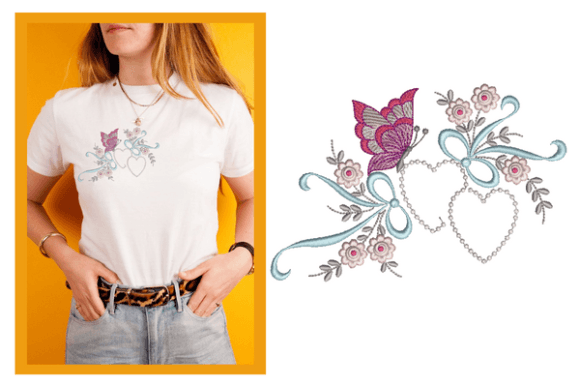
Rippled Butterfly Embroidery Designs Review
As an experienced embroidery designer who has spent years turning digital concepts into tangible brand assets, I approach every new design file with a mix of creative appreciation and commercial scrutiny. When evaluating Rippled Butterfly Embroidery Designs, my primary focus is not just on how it looks on a screen, but how it translates to the needle, thread, and fabric for small business owners. This review explores the practical application of this machine embroidery design for branded merchandise, focusing on its viability for patches, uniforms, and custom apparel.
First Impressions: Visual Personality and Brand Fit
The title Rippled Butterfly Embroidery Designs immediately suggests movement and fluidity. In the world of brand identity, visual cues are critical. A butterfly motif is universally recognized as a symbol of transformation, nature, and delicacy. However, the descriptor "Rippled" adds a layer of modern dynamism that distinguishes it from static, traditional floral or insect motifs. From a professional standpoint, this design feels both playful and elegant, making it versatile for a wide range of industries.
For a boutique café, a handmade soap shop, or a local florist, this design offers a soft yet distinct visual anchor. It avoids being overly childish while maintaining a friendly, approachable aesthetic. The "colorful look" mentioned in the product description indicates that this design relies heavily on effective thread colors to achieve its impact. For small business merch creators, this means the design can serve as a focal point that elevates the perceived value of otherwise simple items like tote bags or aprons.
Real-World Business Applications
One of the most common questions I receive from Etsy sellers and craft business assets managers is: "Where should I place this?" Based on the structure of Rippled Butterfly Embroidery Designs, here is how it performs in real-world scenarios:
- Embroidered Patches: This design is exceptionally well-suited for iron-on or sew-on patches. The rippled lines likely create a natural border effect, which helps define the shape of the patch without needing heavy, dense outlining. These patches add a premium touch to denim jackets, backpacks, and customer gift boxes.
- Apron Embroidery: For bakery brands, florists, or artisanal food producers, placing this design on the chest pocket of a white or neutral-colored apron creates a clean, professional look. It signals craftsmanship and attention to detail to customers.
- Cap Embroidery: The curved surface of a cap requires designs that are balanced and not too wide. If the aspect ratio of the butterfly is horizontal, it may work beautifully on the side panel of a cap, offering a subtle branding opportunity that doesn’t overwhelm the wearer.
- Tote Bag Design: Canvas totes are a staple for handmade products. Centering the design or placing it asymmetrically on a canvas tote allows the texture of the bag to complement the fabric texture of the embroidery, creating a tactile experience for the buyer.
- Staff Uniforms: For creative studios or pet brands, adding this design to work shirts can boost team morale and present a unified, cheerful front to clients. It humanizes the brand and makes staff appear more approachable.
Strategic Placement and Limitations
While the design has high potential, an experienced eye must identify where caution is required. Not every surface is suitable for every embroidery file. Here are critical considerations for production:
- Small Patch Sizes: If you intend to scale this design down significantly (e.g., under 2 inches), you must inspect the stitch density. Fine details in the "ripples" may merge together, losing definition. Always test at actual size before committing to bulk production.
- Curved Surfaces: While caps and sleeves offer interesting placement options, ensure the design does not have excessive length that would bunch up on tight curves. Proper digitizing accounts for stretch, but physical testing is non-negotiable.
- Dark Uniforms: On dark fabrics, the contrast of the thread colors becomes paramount. Light pastel threads may get lost against navy or black backgrounds. Consider using a stabilizer or backing that enhances visibility, or choose darker thread palettes for better legibility.
- Frequent Washing: For items like aprons and work shirts that undergo frequent laundering, ensure the design is stabilized properly. Loose ripples can snag if the stitch direction is not optimized for durability.
Impact on Brand Identity and Customer Trust
In the competitive landscape of small business merch, consistency is key. Using a cohesive design language across your product line builds trust. Rippled Butterfly Embroidery Designs contributes to a narrative of quality and care. When a customer sees a professionally executed embroidery design on a product they purchase, it validates their investment. It suggests that the brand pays attention to even the smallest details.
This design also enhances visual consistency. If your brand uses watercolors, soft pastels, or nature-inspired imagery, this embroidery pattern aligns perfectly with those aesthetics. It bridges the gap between digital marketing visuals and the physical finished product, ensuring that what the customer receives matches the expectation set by your online store.
Practical Designer Notes for Production
Before uploading this digital embroidery file to your production queue, follow these essential steps to ensure success:
- Test in Black and White: Convert the design to monochrome to check the balance of negative space and fill. If it looks cluttered in black and white, it will likely look messy in color.
- Check Hoop Size: Confirm that the design fits within your standard hoop sizes. If the design is large, you may need multiple hooping positions, which increases labor time and potential alignment errors.
- Use Proper Stabilizer: The choice of stabilizer (cut-away vs. tear-away) depends on the fabric. For stretchy knits or delicate silks, a high-quality cut-away stabilizer is essential to prevent distortion.
- Create a Printable Mockup: Before producing physical samples, use a printable mockup to visualize the design on different products. This helps in client approval processes and reduces waste.
- Confirm Commercial Licensing: Ensure you have the right to use this design for commercial purposes. Selling finished goods requires specific licensing terms that differ from personal use licenses.
- Review Thread Contrast: Select threads that pop against your target fabric. High contrast usually yields the best results for detailed designs like butterflies.
Final Verdict
Rippled Butterfly Embroidery Designs is a strong candidate for small business owners looking to add a touch of elegance and nature-inspired charm to their product lines. Its versatility allows it to function effectively as a standalone logo accent or part of a larger collection of design assets. By paying close attention to fabric selection, stabilization, and sizing, you can leverage this design to create high-value, recognizable branded merchandise that resonates with customers. Whether used for a local bakery’s aprons or a handmade jewelry brand’s packaging tags, this design offers a professional finish that supports brand growth and customer engagement.