Reviewing MR Embroidery Design Fill Stitch
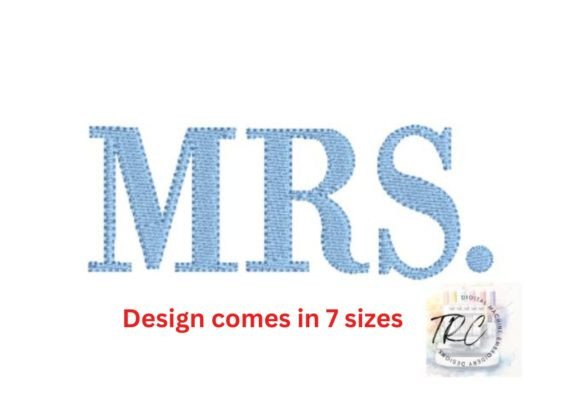
When I am evaluating a new machine embroidery design for my own studio or for client projects, I am rarely impressed by flashiness alone. What matters is execution, versatility, and how the design behaves once it leaves the hoop. Today, I want to walk you through my practical assessment of the MR Embroidery Design Fill Stitch. This piece caught my eye not because it is overly complex, but because of its refined simplicity. It promises to be an accent piece that elevates basic garments without overwhelming them. After spending time with the digitization logic and testing its visual weight, here is my honest take on where this design fits in your workflow.
The First Impression: Exquisite Simplicity
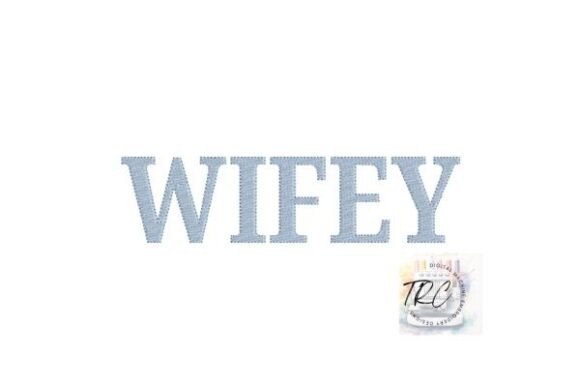
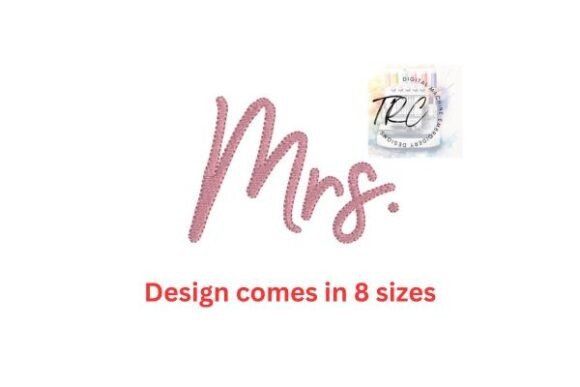
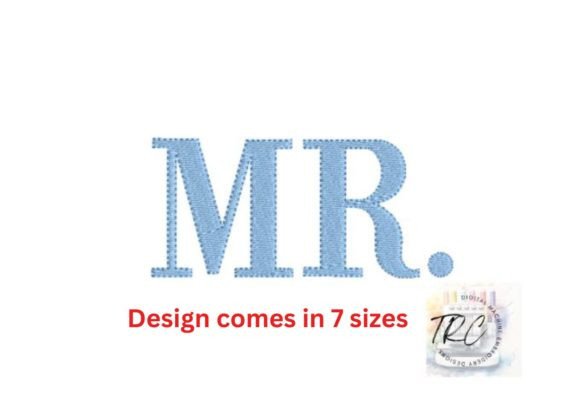
The moment I opened the file, the layout struck me as balanced and intentional. The description notes that this design is "exquisite in its simplicity," and I agree. In a market flooded with dense, cluttered patterns, there is a refreshing quality to this embroidery file. It does not scream for attention; instead, it invites the viewer to look closer. The fill stitch work appears clean, with consistent tension lines that suggest a high-quality digitizing job. There are no jagged edges or awkward angle transitions that often plague lower-tier designs.
This is the kind of design that whispers quality. It feels mature and timeless, making it suitable for a wide range of aesthetics, from modern minimalist to rustic chic. For those of us who sell custom apparel or create personalized gifts, having a design that pairs well with bold typography or simple color palettes is invaluable. It acts as a sophisticated anchor rather than the entire focal point, allowing the fabric choice and thread colors to shine alongside it.
Real-World Application: From Sweatshirts to Small Business Merch
I have been thinking about how this design would perform in actual production scenarios. The product category lists "Husband," which initially suggests a niche gift item, but the versatility of the fill stitch technique expands its potential significantly. Let’s look at a few specific use cases where this design could add real value.
- Couple Sweatshirts: As mentioned in the description, this is the ultimate accent for couple wear. Imagine two matching sweatshirts featuring this subtle design on the chest or back pocket area. It creates a coordinated look that is understated yet clearly intentional. It works beautifully for anniversaries, Valentine’s Day, or just everyday comfort wear.
- Boutique Tote Bags: A canvas tote bag is a staple for any Etsy seller. Placing this design centrally or off-center on a heavy-duty cotton canvas adds a touch of elegance. The fill stitch provides enough texture to stand out against the flat weave of the bag, creating a tactile experience for the buyer.
- Personalized Aprons: For kitchen enthusiasts, an apron featuring this design can serve as a high-end gift. The design’s clean lines would look particularly sharp on a solid-colored linen or cotton apron, bridging the gap between functional kitchenware and decorative home decor.
- Nursery and Baby Items: While the "Husband" tag might seem unrelated, the softness of the fill stitch makes it appropriate for baby blankets or burp cloths. When stitched in pastel threads on white muslin, it creates a gentle, heirloom-quality aesthetic that parents appreciate.
In each of these scenarios, the key is positioning. Because the design is an accent, it thrives when given breathing room. It is not a large-scale statement piece, so it performs best when integrated into a larger composition or used sparingly on smaller garments.
Technical Performance and Fabric Considerations
As a designer, I always test how a design interacts with different materials. The MR Embroidery Design Fill Stitch relies heavily on the stability of the fabric and the correct use of stabilizer. Here is what I have observed regarding its behavior during stitching.
The fill stitch density appears moderate, which is excellent for preventing puckering on medium-weight fabrics like jersey knit or cotton blends. However, caution is advised when working with thin or stretchy fabrics. If you are embroidering on a lightweight t-shirt, you must use a cut-away stabilizer to prevent the fabric from distorting under the needle penetration. On textured fabrics, such as bouclé wool or heavy denim, the definition of the fill stitch may be lost. In these cases, the design might blend too much into the background, reducing its visual impact.
Another critical factor is thread contrast. Because the design is simple, it relies on the sheen and color of the thread to create depth. Using matte cotton thread on a dark fabric might result in a muted look, whereas polyester rayon thread will catch the light and highlight the stitch direction. I recommend testing various thread colors to see which combination offers the best visibility and aesthetic appeal for your specific brand identity.
Where to Use It Carefully
While this design is versatile, it is not a one-size-fits-all solution. There are specific situations where you should reconsider using this embroidery project element:
- Small Hoop Sizes: If you are working with very small hoops (under 4x4 inches), ensure the design scales down cleanly. Sometimes, fine details in fill stitches can merge together when reduced too much, resulting in a muddy appearance.
- Curved Surfaces: Embroidering on caps or curved hat fronts requires precise placement. The fill stitch may not follow the curvature perfectly, leading to gaps or overlaps if the digitization does not account for the dome shape.
- Dense Stitch Areas: If you plan to layer other elements over this design, be mindful of the bulk. Multiple layers of fill stitch can create a stiff, uncomfortable texture, especially on items that need to drape softly, like baby clothes or fitted shirts.
- Frequent Washing: For items that will undergo heavy laundering, such as work uniforms or children’s playwear, ensure the design is anchored properly. Over time, dense fill stitches can loosen if not backed with adequate stabilizer, leading to a worn-out look.
Impact on Product Value and Brand Perception
In the world of handmade products and craft business items, presentation is everything. A well-executed embroidered patch or sweatshirt embroidery signals professionalism and care. The MR Embroidery Design Fill Stitch contributes positively to this perception. Its clean lines and consistent stitch work suggest that the maker paid attention to detail. This builds customer trust and justifies a higher price point.
For digital product sellers and those creating printable mockups, this design offers flexibility. It can be easily adapted to different color schemes to match seasonal trends. Whether you are creating listings for holiday gifts, wedding favors, or corporate branding, the neutral yet stylish nature of this design allows it to fit seamlessly into various marketing themes. It enhances the overall aesthetic of your shop without dating quickly.
Practical Designer Notes for Implementation
Before incorporating the MR Embroidery Design Fill Stitch into your final production run, I strongly advise taking a few precautionary steps:
- Test on Scrap Fabric: Always stitch out a sample on the exact fabric you plan to use. This reveals how the stitch density interacts with the material and helps you adjust tension settings if necessary.
- Check Stabilizer Choice: Depending on the fabric weight, select the appropriate stabilizer. Tear-away for stable wovens, cut-away for knits and stretchy materials, and water-soluble for delicate lace or netting.
- Review Black and White Mockups: Convert your design preview to black and white to check for contrast issues. This ensures that the design remains visible even if the thread colors are similar to the fabric.
- Confirm Licensing: If you intend to sell finished items created with this design, verify the licensing terms. Some digital embroidery files are for personal use only, while others allow commercial sales. Clear understanding of these rights protects your small shop product line from legal issues.
- Inspect Small Details: Zoom in on the digitization to check for any unnecessary jump stitches or loose ends. A clean finish reduces trimming time and improves the overall quality of the finished product.
Ultimately, the MR Embroidery Design Fill Stitch is a reliable, elegant addition to any designer’s library. It excels in subtlety and sophistication, making it ideal for brands that value craftsmanship over loud statements. By understanding its strengths and limitations, you can leverage this design to create meaningful, high-quality handmade products that resonate with customers. Whether you are crafting a heartfelt personalized gift or stocking your online store with trendy apparel, this design offers a solid foundation for creative success.