Moroccan Geometric Embroidery Delight 9 Review
As an embroidery designer who spends countless hours testing files for both personal projects and commercial client work, I am always on the lookout for designs that offer more than just a simple pattern. When browsing Creative Fabrica embroidery collections, I recently came across a file titled Moroccan Geometric Embroidery Delight 9. The description highlights its inspiration from Zellige, the intricate tile mosaic art of Morocco, characterized by geometric shapes forming beautiful patterns. Intrigued by the potential to bring this cultural aesthetic into modern handmade products, I decided to put this design through its paces. This review explores whether this file is a worthy addition to your digital library for real-world application.
First Impressions and Visual Appeal
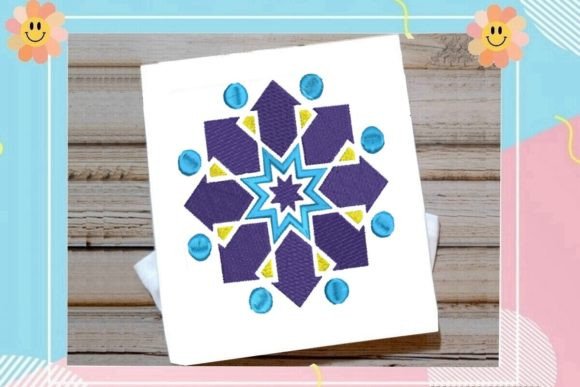
The moment you open the preview for Moroccan Geometric Embroidery Delight 9, the visual mood is striking. Unlike many generic geometric patterns that can feel rigid or cold, this design carries a sense of warmth and complexity. The interplay of lines and angles mimics the organic flow found in traditional Zellige tiles, but translated into thread. For designers looking to add a touch of sophistication to their handmade product line, this design offers a distinct decorative appeal.
The detail level is high, which immediately signals that this is not a quick-stitch project. It has a "stitch personality" that demands attention. Whether used as a central focal point on a garment or as a subtle border detail, the geometric precision gives it a premium feel. It naturally fits into categories that value artisanal quality, such as boutique merchandise, nursery decor, or high-end home goods. The design feels versatile enough to be adapted for various textures, making it a strong candidate for custom apparel or specialized accessories.
Real-World Application: Where Does It Shine?
In my experience, the true test of an embroidery file is how it performs on actual products. Here is how I envision Moroccan Geometric Embroidery Delight 9 performing across different mediums:
- Tote Bags and Canvas Goods: The structured nature of geometric patterns pairs beautifully with the sturdy texture of canvas. A tote bag design featuring this motif would look chic and artistic, appealing to customers who want functional art they can carry daily.
- Sweatshirts and Hoodies: For a cozy yet stylish look, placing this design on the chest or back of a sweatshirt creates a great contrast between the soft fabric and the precise stitching. It works well for sweatshirt embroidery aimed at fashion-forward audiences.
- Kitchen Towels and Aprons: Home decor is a huge market on platforms like Etsy. This design brings a Mediterranean flair to kitchen textiles. A kitchen towel embroidered with these geometric motifs adds a splash of color and culture to any home.
- Baby Items and Nursery Decor: While geometric patterns are often associated with modern minimalism, the soft curves within the Zellige-inspired shapes can work well for gender-neutral baby blankets or pillow covers. It offers a unique alternative to traditional floral or animal prints.
- Embroidered Patches: If you sell embroidered patches for jackets or bags, this design’s self-contained geometry makes it easy to digitize with a clean edge. It serves as a standalone badge of style.
This versatility makes it a valuable asset for digital product sellers and creative entrepreneurs who need reliable design assets for multiple niches.
Practical Considerations for Stitching
While the visual potential is high, practical execution requires careful planning. As an experienced designer, I must highlight several factors to consider before committing this file to production.
Hoop Size and Density
The intricate nature of the pattern suggests a potentially dense stitch area. It is crucial to check the hoop size requirements listed on the Creative Fabrica product page. If the design is large, it may require a larger hoop, which limits where it can be placed on certain garments. Additionally, high density can make fabrics stiff, which might be undesirable for delicate items like baby clothes or lightweight summer wear.
Fabric Compatibility
Geometric designs rely on crisp lines. To achieve this, the stability of the fabric is paramount. Using the correct stabilizer is non-negotiable. For stretchy fabrics like jersey knit (common in custom apparel), a cut-away stabilizer will help prevent distortion. On textured fabrics like linen or burlap, the small details of the Zellige pattern might get lost, so smoother cottons or blends are preferable.
Thread Color Contrast
The beauty of this design lies in its definition. On dark fabric, you will need light-colored threads to ensure the geometric shapes pop. Conversely, on light fabric, darker threads provide necessary contrast. I strongly advise creating printable mockup variations with different thread colors to see how the visual weight changes. Poor contrast can turn a stunning design into a muddy mess.
Small Details and Lettering
If the file includes any tiny lettering or very fine internal lines, test them on scrap fabric first. Small running stitch elements can break easily if the tension is too tight or if the fabric is too thick. Inspect these small details after stitching to ensure they hold up over time, especially for items that need frequent washing.
Impact on Product Value and Branding
Using a culturally inspired design like Moroccan Geometric Embroidery Delight 9 can significantly elevate your brand perception. Customers are increasingly drawn to products that tell a story or reflect artistic heritage. By incorporating Zellige-inspired aesthetics, you are offering more than just a stitched logo; you are offering a piece of art.
This approach enhances product photography opportunities. The geometric symmetry provides excellent composition for flat lays and lifestyle shots. When showcasing your finished product, the intricate details become a selling point, building buyer trust through visible craftsmanship. It supports brand consistency if you aim to curate a collection of globally inspired, artisanal goods.
Furthermore, this design is highly giftability-focused. Personalized gifts with meaningful or aesthetically pleasing patterns often command higher prices and customer satisfaction. Whether it is a personalized apron for a new homeowner or a custom pillow cover for a wedding gift, the design adds perceived value.
Final Verdict and Best Practices
Moroccan Geometric Embroidery Delight 9 is a compelling choice for designers seeking to expand their repertoire with intricate, culturally rich patterns. Its ability to bridge the gap between traditional art and modern machine embroidery makes it a versatile tool for commercial embroidery projects.
To ensure success, follow these best practices:
- Test on Scrap Fabric: Always run a test stitch-out to evaluate tension and density.
- Review File Details: Check the specific machine embroidery design formats and confirm the hoop size before starting production.
- Check Licensing: Verify the license terms on the Creative Fabrica product page regarding commercial embroidery usage to protect your business.
- Use Proper Stabilizer: Match your stabilizer to your fabric type to maintain the integrity of the geometric lines.
- Inspect Finished Products: Look closely at the applique design elements or satin stitches for any loose threads or puckering.
If you are ready to add a touch of Moroccan elegance to your handmade product lineup, this file is worth downloading. Just remember that the difference between a good design and a great finished product often lies in the preparation and execution. Happy stitching!