Marine Life Collection Embroidery Review
If you are preparing for a busy weekend craft fair or refreshing your Etsy seller inventory, the visual impact of your booth is everything. As an experienced embroidery designer who has spent years judging designs not just for artistic merit but for commercial viability, I approach every new digital embroidery file with a critical eye. Today, we are reviewing the Marine Life Collection Embroidery, a set that promises to bring the enchanting beauty of the ocean to your handmade products. This review focuses on how this collection performs in real-world applications, from tote bag design opportunities to detailed apron embroidery projects.
First Impressions and Visual Appeal
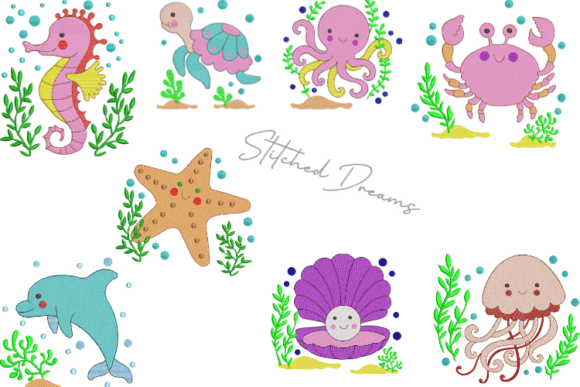
The moment you open the files for the Marine Life Collection Embroidery, the first thing that strikes you is the level of detail. The description highlights "beautifully detailed marine life creatures," which suggests a design aesthetic that leans towards premium and decorative rather than minimal or rustic. In a crowded market, these intricate details are your best friend. They catch the light and draw the eye, making them perfect for craft fair product displays where customers walk by quickly.
Unlike bold, graphic designs that can look flat from a distance, the nuanced stitching patterns typical of marine life collections create depth. When displayed on neutral fabrics like canvas or white cotton, these designs pop. However, if you plan to use dark fabric, you must carefully consider thread contrast. The complexity of the design means it requires high-quality thread to maintain its clarity. If the threads are dull or low-quality, the fine details of the marine mammals will be lost, reducing the perceived value of your finished product.
Product Versatility: Where It Sells Best
One of the strongest selling points of this collection is its versatility across various handmade product categories. Here is how I see it performing on specific items:
- Tote Bags and Market Bags: A large tote bag provides ample space for the full detail of the marine life designs. Placing a single, well-centered whale or dolphin as a focal point creates a sophisticated look. Alternatively, a repeating pattern of smaller sea creatures along the handles or bottom edge adds texture without overwhelming the bag. This is a classic tote bag design that appeals to eco-conscious buyers.
- Kitchen Towels and Aprons: For tea towel embroidery, smaller elements from the collection work best. A small fish or a delicate wave motif near the hemline adds a charming touch to kitchen decor. On aprons, the design can serve as a chest pocket accent or a central panel feature. The nautical theme fits perfectly with farmhouse or coastal home decor trends.
- Embroidered Patches and Caps: The Marine Life Collection Embroidery translates exceptionally well to embroidered patch applications. Circular or oval framing works well for cap front panels. Ensure the design has enough negative space (or satin stitch borders) to allow for easy application onto curved surfaces. These make excellent impulse buys at craft fairs.
- Pillow Covers and Home Decor: Larger pillow covers benefit from the scale of this collection. The intricate details hold up well on linen or cotton blends, adding a tactile element to home goods. These items often command a higher price point due to their size and the time invested in production.
Production Practicalities and Technical Considerations
As a designer, I always advise testing before bulk production. The Marine Life Collection Embroidery likely contains dense stitch areas, particularly if the marine mammals are rendered with realistic shading. High stitch density can cause issues if not managed correctly.
Stabilizer Selection: You must use the right stabilizer. For lightweight fabrics like tea towels, a tear-away stabilizer is essential to prevent puckering. For heavier fabrics like denim or canvas, a cut-away stabilizer ensures longevity. Always test on scrap fabric first to see how the base material interacts with the underlay stitches.
Fabric Texture and Color: The texture of your fabric plays a huge role in the final look. Rough burlap might obscure fine details, while smooth percale cotton will showcase them beautifully. When selecting thread colors, opt for high-sheen polyester or rayon threads to enhance the reflective quality of the scales and fur of the marine animals. Avoid matte cotton threads for detailed sections, as they can make the design look muddy.
Hoop Size and Spacing: Confirm the hoop size requirements for each design in the collection. Some marine life designs may require larger hoops to accommodate the full creature without cropping. If you are producing in batches, ensure your machine’s hooping area aligns with your design assets to minimize re-hooping and alignment errors.
Photography and Online Listings
In the digital age, your printable mockup is just as important as the physical item. The Marine Life Collection Embroidery photographs beautifully because of its natural color palette and organic shapes. Use natural lighting to capture the sheen of the threads. Close-up shots that highlight the stitch definition will help Etsy sellers convey the quality of the work. Show the design in context—on a bag being carried, or an apron worn in a kitchen—to help buyers visualize the utility and beauty of the small shop product.
Selling Points and Customer Engagement
Why does this collection sell? Because it evokes emotion. Marine life themes tap into a love for nature and the ocean, creating an instant connection with buyers. At a craft fair, having a booth display that features these designs on multiple products creates a cohesive brand story. Customers are more likely to engage when they see how versatile the designs are.
The Marine Life Collection Embroidery also lends itself well to gift sets. Pair a tea towel with a matching pouch or a cap with a tote bag. Bundling these items increases the average order value and showcases the range of your commercial embroidery capabilities. The intricate nature of the designs signals high quality, allowing you to justify premium pricing compared to simpler, mass-produced alternatives.
Final Designer Notes
Before committing to a large production run, take these precautions:
- Test Run: Embroider the most complex design on your intended fabric. Check for any thread breaks or tension issues.
- License Check: Verify the commercial embroidery license terms. Ensure you are allowed to sell finished goods made from these files. This is crucial for protecting your business.
- Detail Inspection: Zoom in on the digital file. Are there tiny details that might get lost in lower-resolution prints or on smaller products? If so, consider scaling them down only for specific items like patches.
- Mockup Creation: Create at least one real mockup to assess the overall aesthetic. Does it look balanced? Is the placement intuitive?
The Marine Life Collection Embroidery is a strong contender for any machine embroidery design library aiming for a nature-inspired, high-quality aesthetic. With careful attention to stabilizer choice, thread colors, and presentation, it can become a standout series in your handmade product lineup. Whether you are an Etsy seller looking to expand your catalog or a craft fair veteran seeking fresh inventory, this collection offers the detail and charm needed to captivate customers and drive sales.