Frame Applique Machine Embroidery Design Review
Walking into a craft fair with a booth full of handmade goods is equal parts excitement and anxiety. You want your products to stop people in their tracks, but you also need them to be practical to produce and profitable to sell. As an experienced embroidery designer who has turned thousands of digital files into physical inventory, I look at every design through the lens of marketability. Today, I am reviewing the Frame Applique Machine Embroidery Design, a piece that promises versatility for makers looking to elevate their handmade product offerings.
This isn't just about pretty stitches; it is about whether this design will move units on a busy Saturday afternoon. Let’s break down what makes this machine embroidery design tick, where it shines, and how you can use it to build a cohesive brand identity for your Etsy seller shop or local boutique.
First Impressions: The Visual Appeal
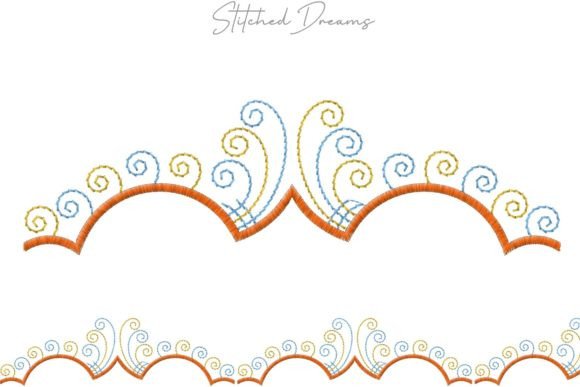
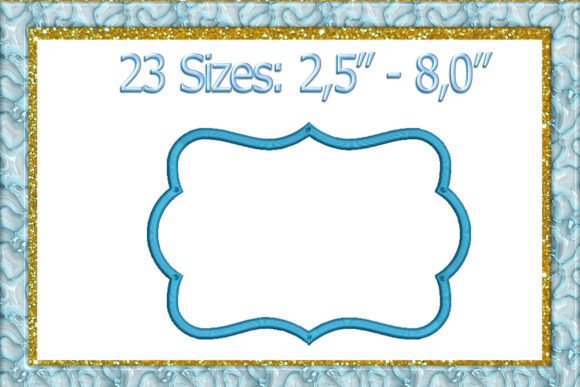
When you first load the embroidery file into your digitizing software, the immediate takeaway from the Frame Applique Machine Embroidery Design is its structural integrity. It belongs firmly in the Borders category, which means it is designed to frame content rather than dominate the entire canvas. This is a crucial distinction for commercial success. In a crowded market, designs that are too busy often get lost in photos or on small items. A clean, elegant frame allows the customer’s eye to focus on the monogram or text inside, making it feel personalized and premium.
The applique technique adds a layer of texture and depth that simple satin stitches cannot achieve. For a craft fair product, this tactile quality is a massive selling point. Customers love to touch fabric, and the raised edge of an applique frame signals high-quality craftsmanship. It feels modern yet timeless, bridging the gap between rustic farmhouse aesthetics and sleek contemporary decor. Whether you are aiming for soft pastels or bold primary colors, the structure of this design supports a wide range of thread colors without looking cluttered.
Product Versatility: Where It Sells Best
One of the biggest mistakes new digital sellers make is limiting themselves to one or two product types. The beauty of the Frame Applique Machine Embroidery Design lies in its adaptability across various mediums. Here is how it performs on key items:
- Tote Bags: This is arguably the strongest application. A tote bag design framed with this applique pattern looks professional and durable. The frame provides a defined area for names, dates, or short phrases, which is perfect for graduation gifts, bridal showers, or everyday carry bags.
- Apron Embroidery: Kitchen wear is a staple at markets. Placing this frame on the bib of an apron draws attention to the chest area, creating a focal point that complements the utility of the garment. It elevates a basic cotton apron into a giftable handmade product.
- Tea Towel Embroidery: Linen or cotton tea towels benefit from the elegance of a frame. Because these items are often displayed hanging up, the vertical orientation of many frames works beautifully. It adds a touch of class to kitchen decor that appeals to buyers looking for hostess gifts.
- Embroidered Patch: Use the frame as a standalone element by adding a cut-away stabilizer backing. These patches can be sold individually for denim jackets, backpacks, or hats, offering a lower price point entry for budget-conscious shoppers.
- Pillow Covers: For home decor enthusiasts, this design works well centered on square throw pillows. The symmetry of the frame balances the softness of the pillow form, creating a polished look that photographs exceptionally well for online listings.
Production Practicality and Batch Efficiency
For any small shop product creator, time is money. If a design takes forever to hoop, trim, and stabilize, your profit margins shrink. The Frame Applique Machine Embroidery Design is generally efficient because the applique section covers a large surface area, reducing the number of dense stitch lines required compared to all-over fill patterns. This means less thread consumption and faster run times per unit.
However, production efficiency depends heavily on your workflow. When producing batches for a weekend market, consistency is key. This design allows for easy repetition. You can set up your hooping jig once and embroider multiple items quickly. The clear boundaries of the frame help you align your text or monogram consistently, ensuring that every item leaving your booth looks like it came from the same high-end studio.
Photography is another critical factor. Designs with strong outlines and contrast photograph better in natural light. The distinct edges of the applique frame catch the light, creating shadows that add dimension to your printable mockup images. This visual depth translates directly to higher click-through rates on platforms like Etsy, where customers cannot physically touch the item before buying.
Careful-Use Notes for Professional Results
While this design is versatile, there are technical pitfalls to avoid if you want to maintain your reputation as a skilled maker.
- Stitch Density Check: Always inspect the stitch density of the applique border. If the stitches are too sparse, the fabric may pucker. If they are too dense, the fabric may become stiff and uncomfortable, especially on garments like aprons or caps. Test on scrap fabric to find the balance.
- Fabric Texture Compatibility: Avoid using this design on highly textured fabrics like heavy boucle or thick terry cloth unless you are experienced with stabilizers. The needle penetration required for applique can struggle with uneven surfaces, leading to misalignment or skipped stitches.
- Hoop Size Constraints: Confirm the hoop size required for the largest variation of the design. If you are working with smaller hoops, you may be limited to the smaller sizes in the pack. Ensure your machine can accommodate the 7.50” x 5.14” dimension if you plan to use the standard size.
- Thread Contrast: Applique relies on the visibility of the raw edge. Using a thread color that closely matches your applique fabric can hide the finish, while a high-contrast thread highlights it. Choose wisely based on the aesthetic you want—subtle elegance or bold statement.
- Small Detail Clarity: If you include tiny text inside the frame, ensure it remains legible. On smaller sizes, fine details can blur together. Keep inner text simple and bold to maintain readability.
Strategic Advice for Sellers
To maximize the potential of the Frame Applique Machine Embroidery Design, start by creating at least one real finished product sample. Do not rely solely on digital renderings. Hang it in your actual lighting conditions. Does the applique lie flat? Is the color palette appealing? Once you have a physical sample, use it to create your design assets for marketing.
Furthermore, always verify the licensing terms. Even if the digital embroidery file comes with commercial rights, some designers restrict the number of units you can sell or prohibit certain uses. Protect your business by reading the fine print. Additionally, invest in the right stabilizer. A tear-away or cut-away stabilizer that matches your fabric weight will prevent distortion during the applique process, ensuring your commercial embroidery products look flawless.
Ultimately, the Frame Applique Machine Embroidery Design is a smart addition to any embroidery designer’s library. It offers the perfect blend of decorative flair and functional simplicity. By focusing on quality production, strategic product placement, and careful technical execution, you can turn this single design into a best-selling line that delights customers and builds your brand’s credibility in the handmade marketplace.